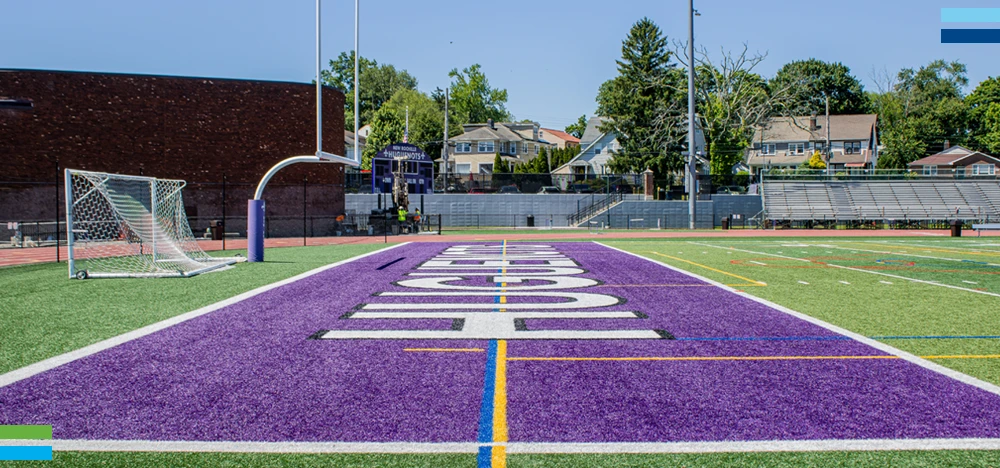
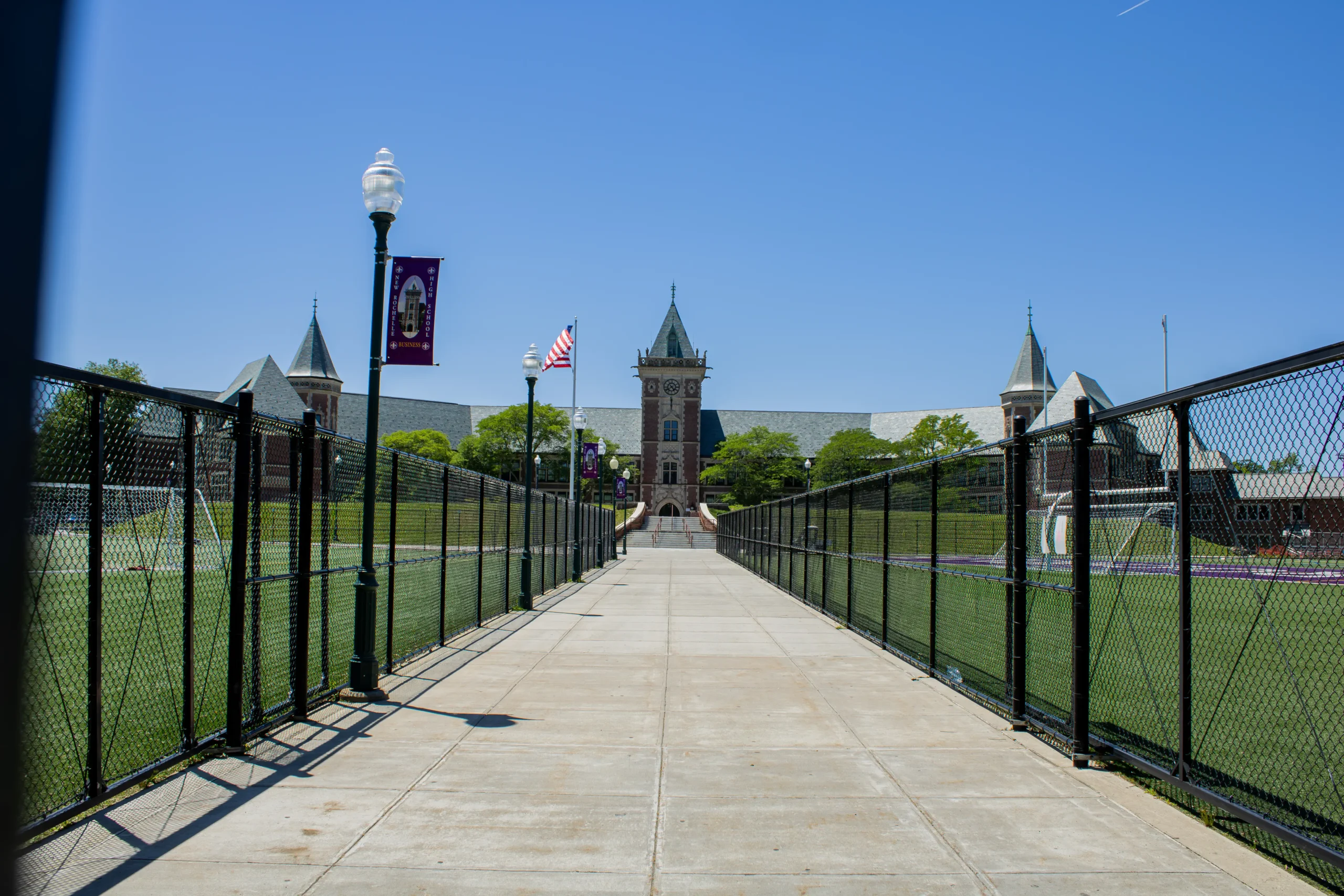
The New Rochelle High School Natatorium has been closed since 2021, when it was severely damaged by flooding during Hurricane Ida and a subsequent tropical storm, causing catastrophic damage and flooding the entire first floor of the high school. Since then, the City School District of New Rochelle (CSDNR) has been faced with a critical question: how do you not only repair what failed, but ensure it never happens again?
This project is centered on repairing and reopening the Natatorium by identifying the root causes of flooding in the areas surrounding the building, understanding the mechanisms of water intrusion, and designing a long-term solution to prevent future damage. At the heart of that effort is a comprehensive, phased hydrogeologic study led by P.W. Grosser Consulting Engineer & Hydrogeologist, D.P.C. (PWGC).
By evaluating subsurface soils, groundwater levels, and bedrock conditions, PWGC is building a complete picture of the hydrogeologic environment influencing the site. Through drilling, monitoring well installation, and aquifer testing, key parameters such as hydraulic conductivity, transmissivity, and storage capacity are being quantified which are critical factors that determine how groundwater behaves during storm events.
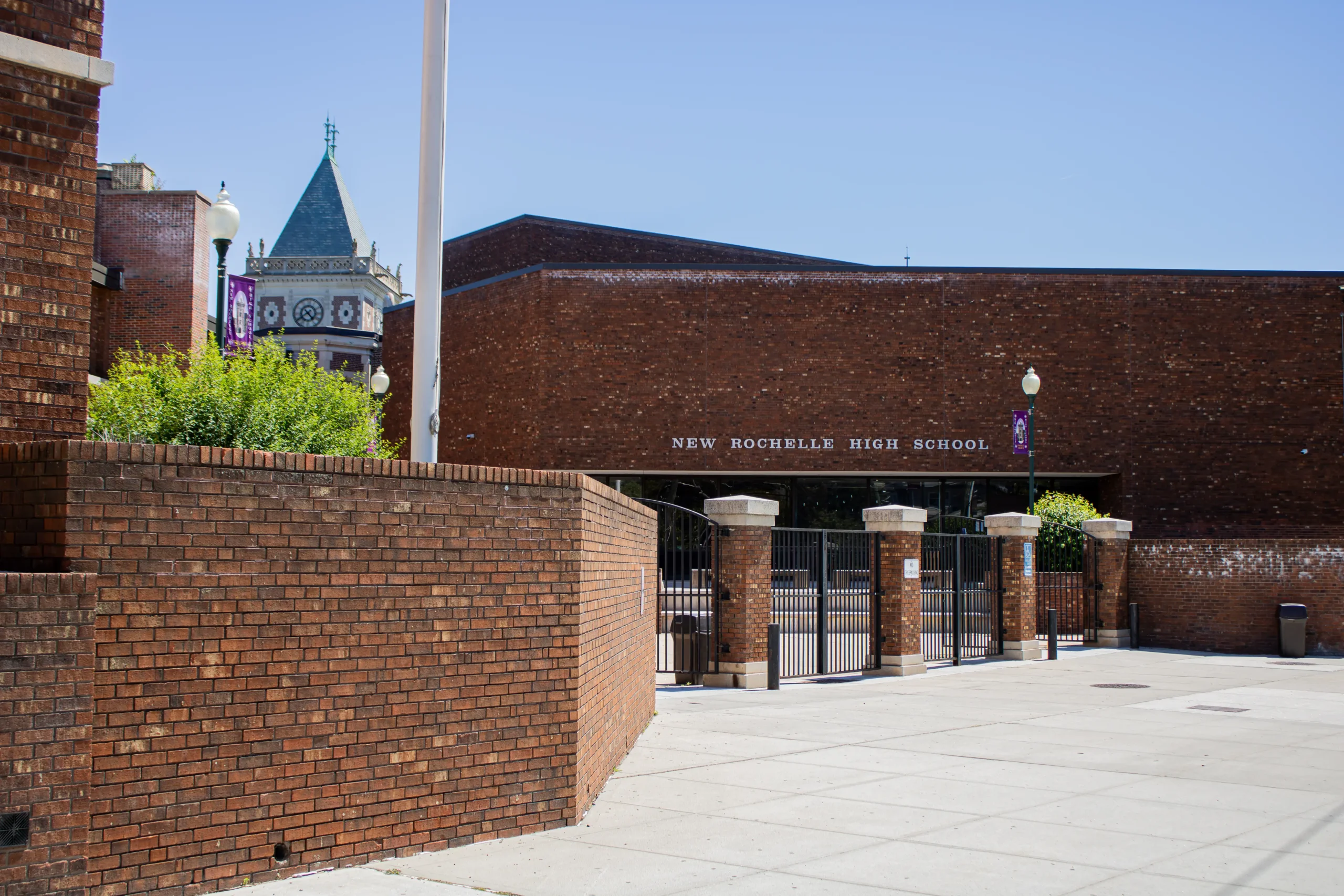
But the challenge is not just subsurface, it is systemic. Evidence suggests that the existing stormwater drainage system may be undersized relative to today’s newer storm conditions. As precipitation events across the Northeast become more intense and more frequent due to climate change, infrastructure that once functioned adequately can become overwhelmed. In this case, the combination of groundwater response, surface runoff, and constrained drainage capacity contributes to a heightened risk of flooding.
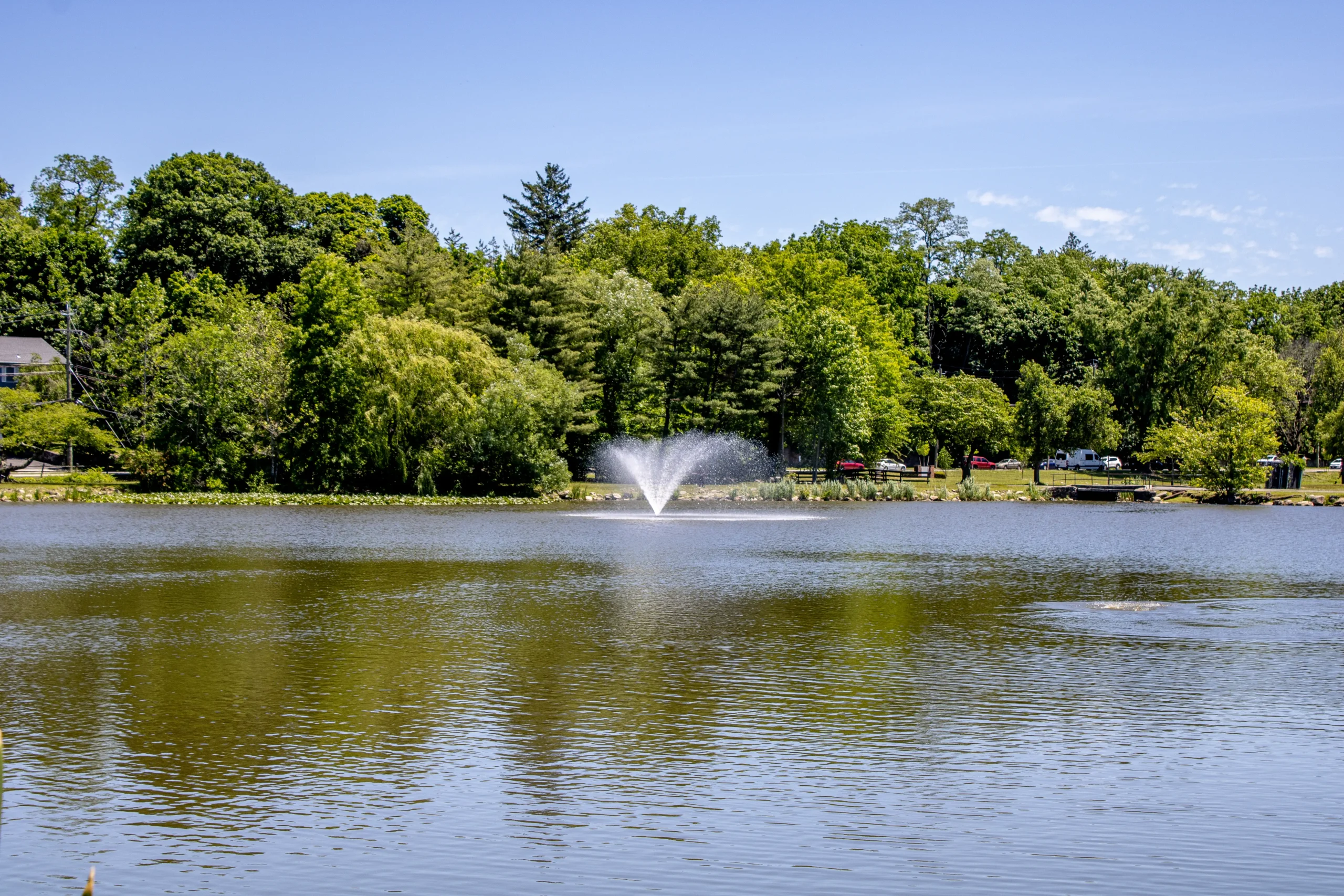
To address this, the hydrogeologic study will directly inform the design of integrated solutions, including groundwater dewatering systems, targeted improvements to the stormwater drainage network, and upgrades to the adjacent lake outlet system. These elements must function together as a coordinated system because the problem itself is interconnected. Groundwater, rainfall, surface drainage, and downstream discharge points all influence one another, particularly during extreme weather events.
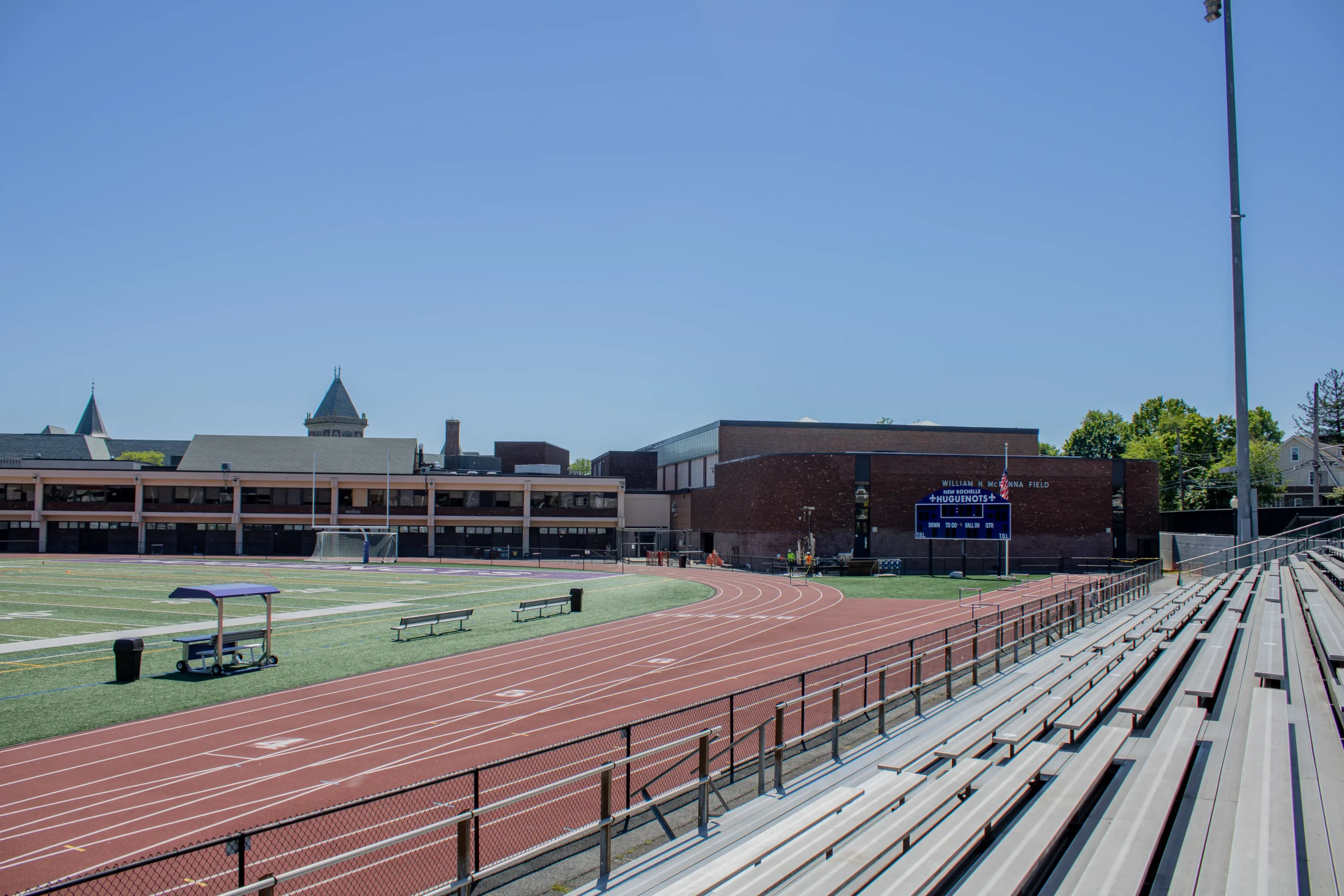
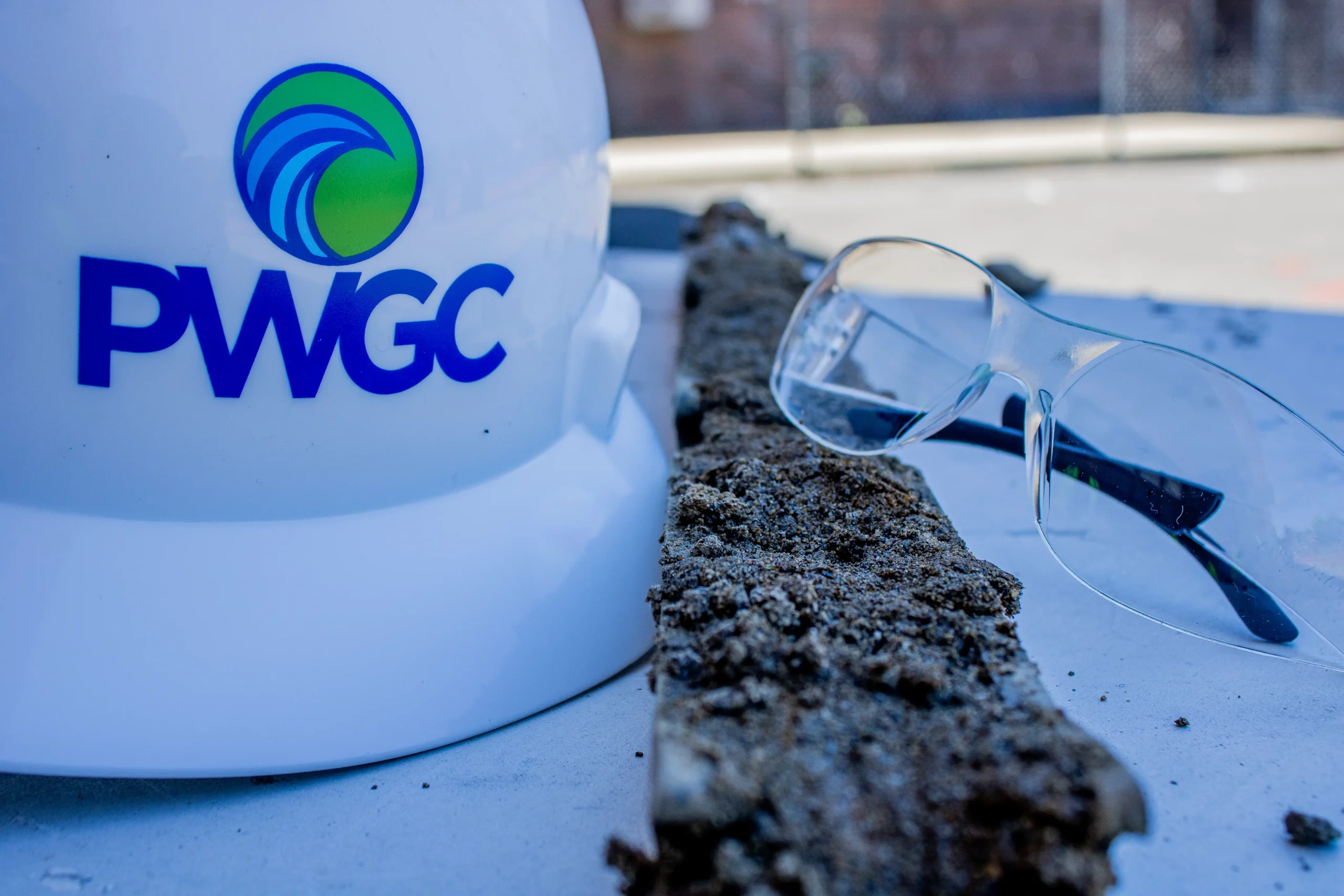
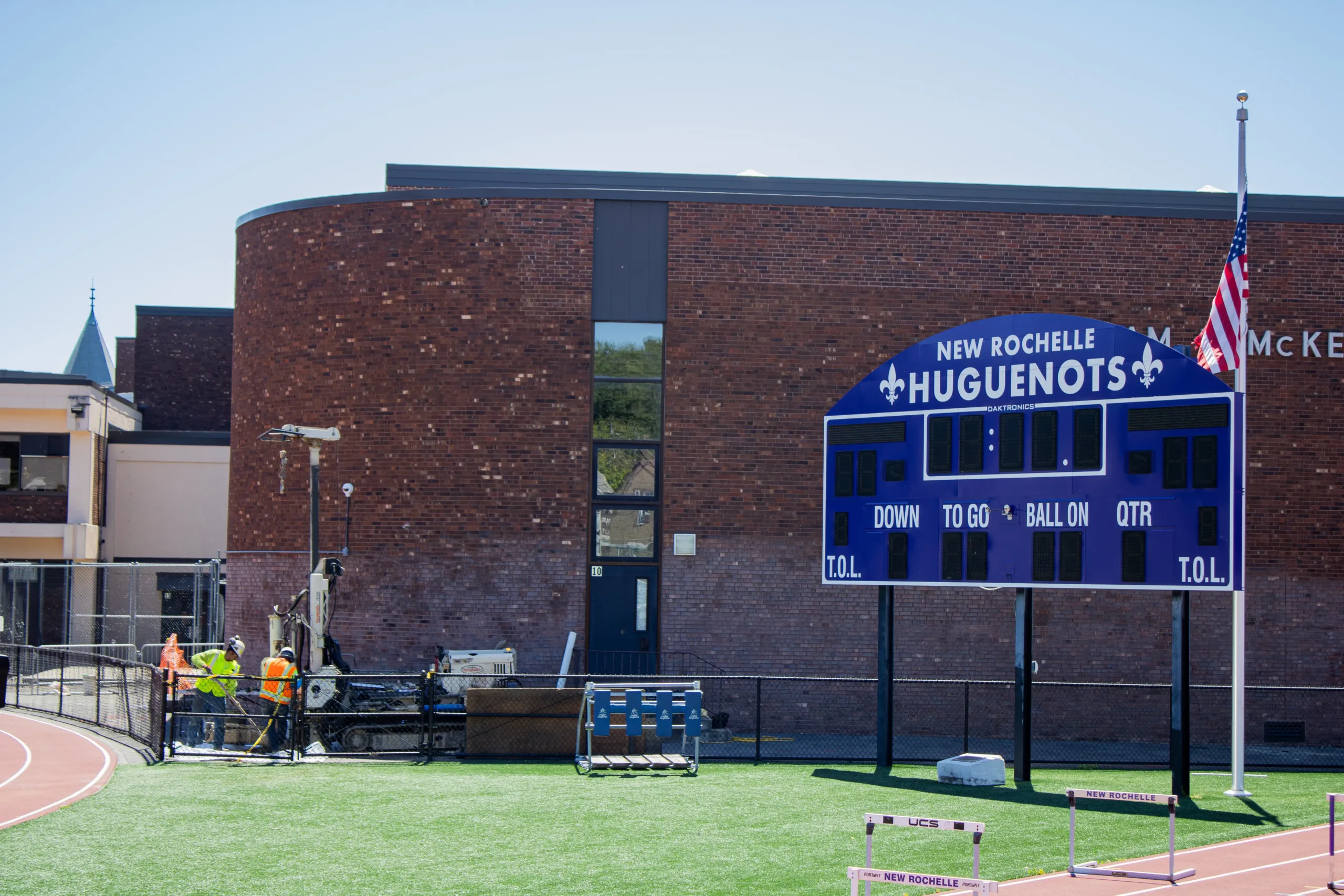
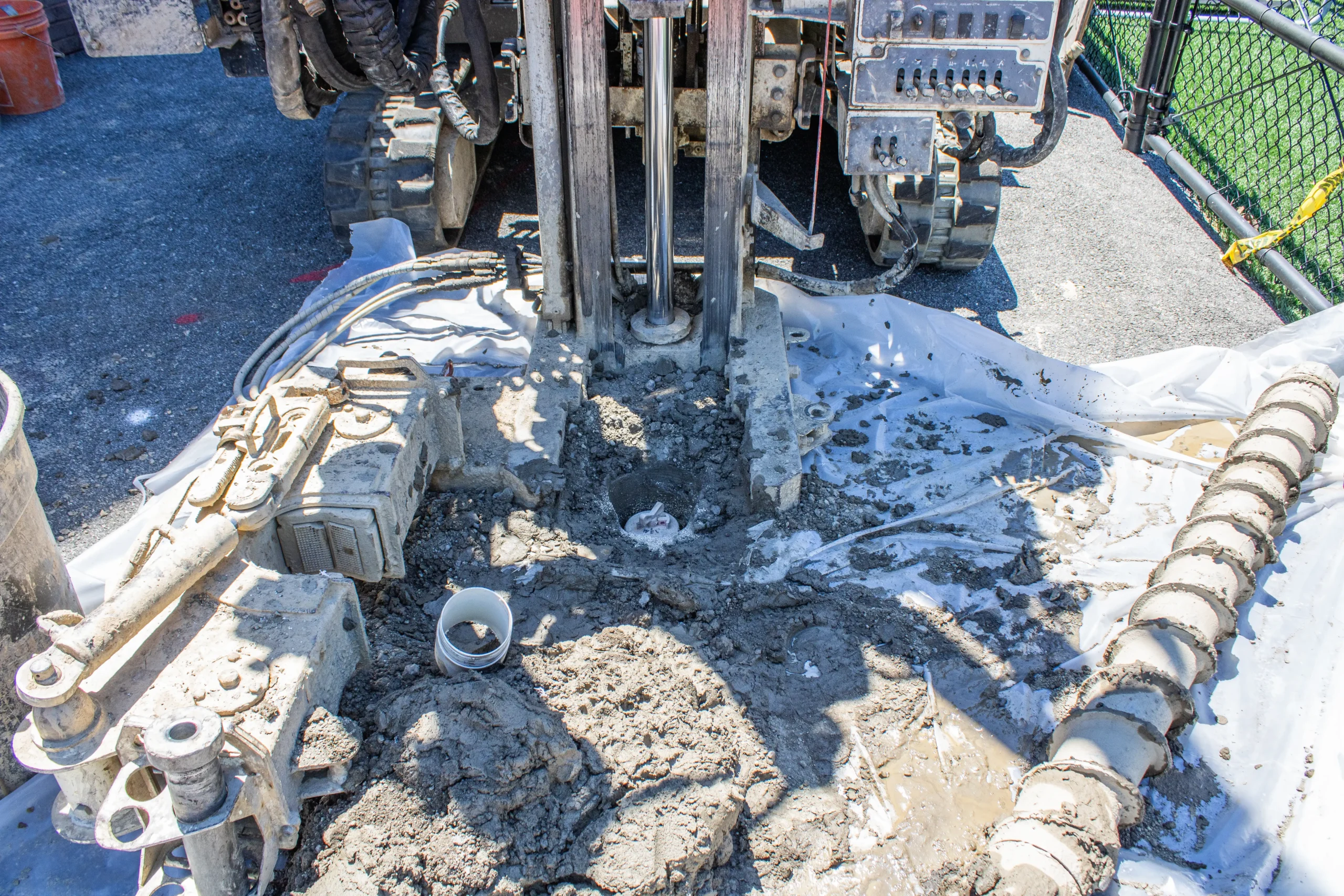
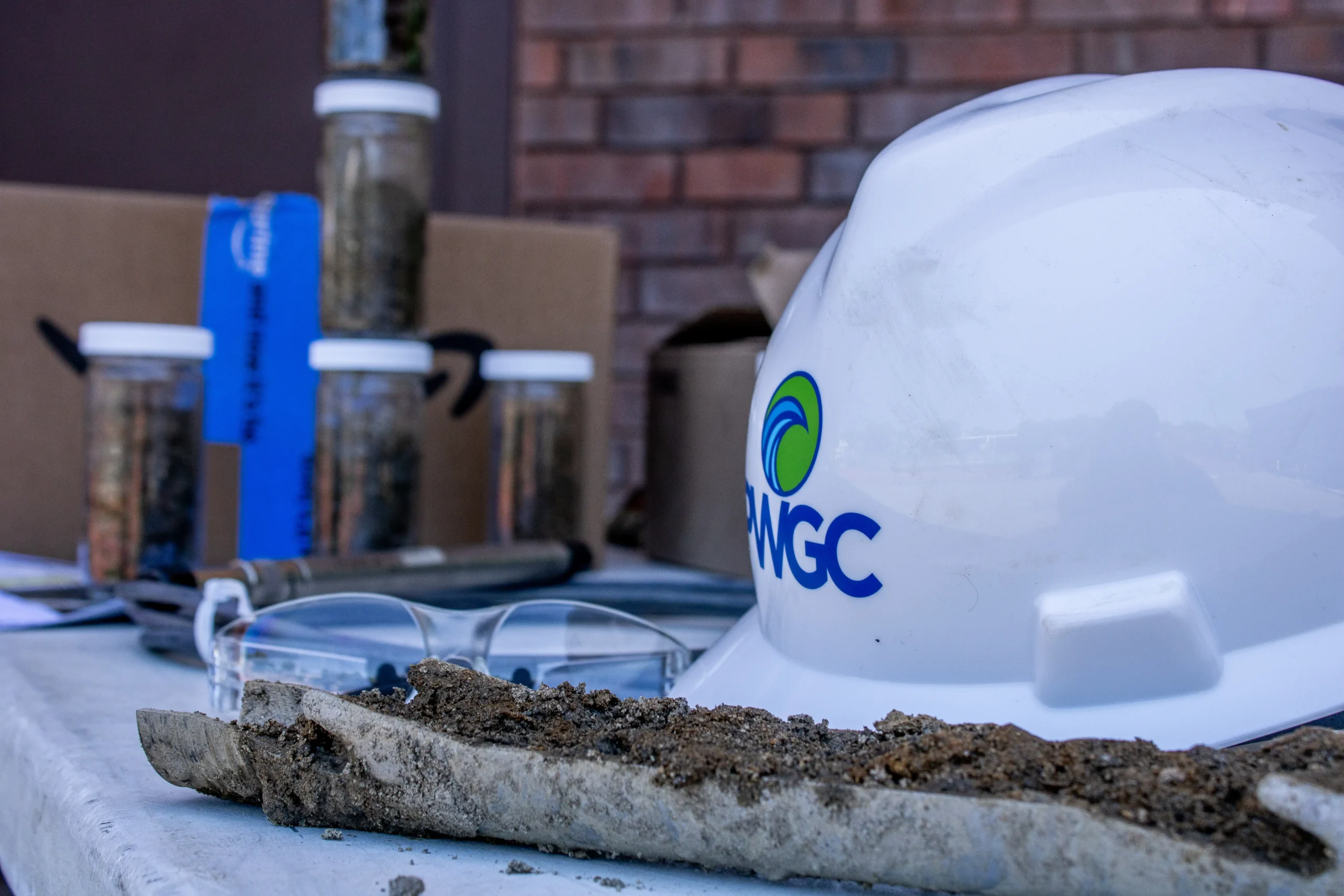
As part of this effort, the project has also served as a unique educational opportunity. PWGC worked with the City School District of New Rochelle Facilities Department to give 278 students an immersive, hands-on experience at the construction site. During a live field demonstration, PWGC explained what the project was about and the related active drilling operations showing how subsurface data is collected and used to inform major construction designs. Equipped with eye and ear protection and supervised by school staff, students observed a live boring operation connecting classroom learning with real-world engineering and exposing them to future career pathways.
A key component of the study is understanding how groundwater responds to precipitation. By correlating rainfall data with groundwater level monitoring, PWGC will determine how quickly water levels rise, the magnitude of that response, and how much it contributes to flooding conditions at the Natatorium. This insight will allow engineers to distinguish between surface-driven flooding and groundwater-driven intrusion and to design solutions that effectively address both.
The work itself is taking place within an active school environment, adding another layer of complexity. Intrusive field activities such as drilling and pump testing require careful coordination, strict adherence to safety protocols, and thoughtful scheduling to minimize disruption to students, faculty, and daily operations. PWGC’s phased approach ensures that this critical investigation proceeds efficiently while maintaining a safe and controlled environment.
Ultimately, the results of the study will provide the foundation for engineering design. By establishing key aquifer parameters, quantifying groundwater behavior, and evaluating system capacity, the study will guide the development of solutions that protect the Natatorium and surrounding infrastructure from future storm events. These solutions are being developed in close collaboration with partner firms, including Passero Associates and Jacobs, who are leading the design of a new underground stormwater detention system intended to significantly increase storage and overflow capacity. Supporting this broader effort, PWGC’s hydrogeologic analysis provides the critical subsurface data needed to inform and refine system design, complementing these engineering efforts with groundwater insight. Together, these integrated improvements including advanced dewatering systems, enhanced drainage capacity, and optimized discharge through the adjacent lake outlet system are designed to address both groundwater-driven flooding and an undersized legacy stormwater system under increasingly intense climate-driven storm conditions.
More broadly, this effort represents a shift from reactive repair to proactive resilience. The Natatorium is not just being restored, it is being reimagined as a facility capable of withstanding the evolving challenges of climate-driven storm intensity. By investing in a rigorous understanding of the site today, CSDNR is ensuring long-term performance, reliability, and community value.



 Sign up for our newsletter