Energy and Sustainability

Geothermal Engineering and Design

New York projects from single buildings to full campuses. Geothermal replaces the boilers and chillers with one system fed by the ground under your building. We handle feasibility, design, permitting and construction oversight.

Years designing geothermal
0
Engineers and geologists
0 +
Engineering excellence awards
0
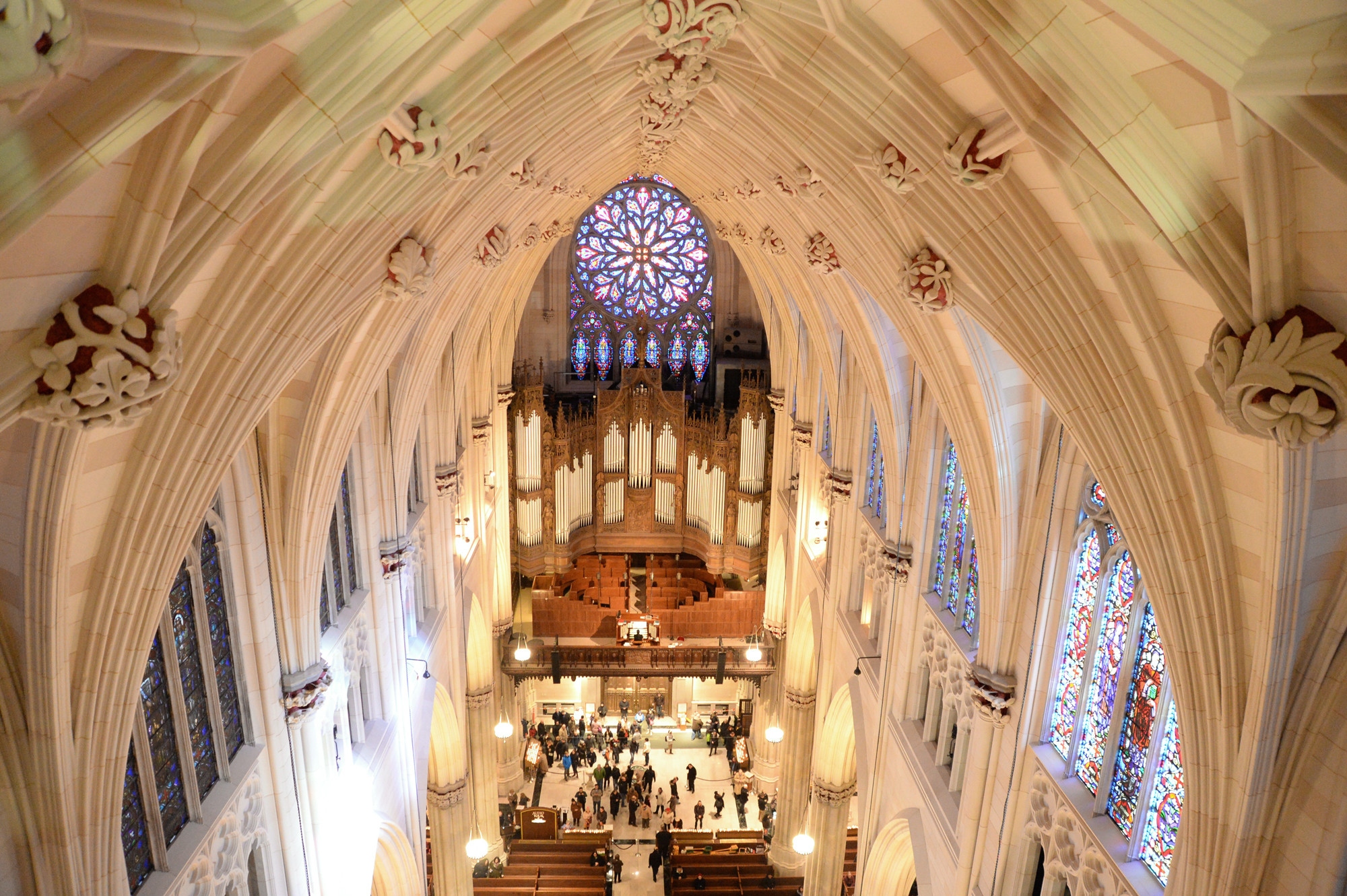
st patricks cathedral geothermal pw grosser consulting 3

Is geothermal right for your site?

Every project has its own identity, that is where PWGC comes in. We start with upfront due diligence and feasibility analysis so you can decide whether to pursue a system and which type of ground heat exchanger the site calls for. Three things decide it, and we check all three before you spend design money.

What is under the ground.

Aquifer yield and rock type decide whether you get open loop wells, a closed loop borefield or standing column wells. PWGC answers that with field testing and 3D groundwater and heat transport modeling, not assumption. At St. Patrick's Cathedral it meant ten standing column wells through Manhattan schist, 800 to 2,200 feet deep.

How much room you have.

Boreholes can sit under a parking structure, a ball field or a sidewalk, but the count has to fit the site and the load. At the Bloomberg Center at Cornell Tech, PWGC designed an 80 loop groundwater filled borefield using annulus pumping, believed to be the first use of the technique anywhere.

What the regulators will allow.

PWGC prepares and manages the filings. We wrote the New York City Department of Design and Construction Geothermal Heat Pump Manual.

Proven at every scale

01

St. Patrick's Cathedral

Landmarked site, no visible equipment, wells drilled through bedrock.

25% lower annual energy cost

02

The Bloomberg Center, Cornell Tech

A borefield technique believed to be the first of its kind anywhere.

150,000 sq ft, net zero target

03

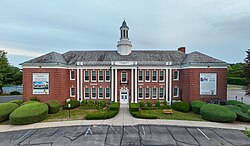
Amneal Pharmaceuticals

Approved between two water authority well fields on our groundwater model.

3,600 gpm peak demand

How the work runs

Feasibility

Subsurface due diligence, ground coupling options, cost and payback.

Permitting

NYSDEC, NYCDEP, MTA and NYCDOT filings, prepared and managed by us.

Design

Well and loop side design, coordinated with your architect and MEP.

Build and commission

Contractor selection, field inspection, start up and O and M training.

Subsurface and environmental due diligence. Feasibility studies and financial analysis. Field testing, pumping tests and thermal conductivity testing. 3D groundwater flow and heat transport modeling. Well and loop side design and construction documents. USEPA, NYSDEC, NYCDEP, MTA, PANYNJ, LIRR and NYCDOT filings. Bid phase support and contractor selection. Full time or part time construction observation. System start up, balancing and commissioning. Operation and maintenance manuals and training. Well diagnostics and rehabilitation. Utility rebate and tax credit support as a NYSERDA certified GSHP rebate contractor.

Questions we get asked

Geothermal typically cuts heating and cooling utility costs 30 to 50 percent against a conventional HVAC system.

It also carries the lowest life cycle cost of any HVAC option in multiple studies, and eliminates on site fossil fuel use. St. Patrick's Cathedral is projected to run 25 percent cheaper each year and emit 94,000 kg less CO2 than the conventional systems it was weighed against.

Find out what is under your site.

Get an engineer on your building, browse a related service, or follow Environmental Echo, where our team breaks down what these systems actually take to build.