Clean water is essential to healthy communities, and PWGC provides the expertise to protect and manage it. Our licensed engineers and hydrogeologists deliver practical solutions for groundwater investigations, aquifer studies, water supply, treatment systems, and wastewater infrastructure, helping communities meet their water resource needs today and into the future.
Every water challenge is unique. PWGC listens first, then delivers solutions that fit. Partner with PWGC and experience the difference.
Characterization, plume delineation, modeling, remedial design and long term monitoring, from single parcels to a 5,300 acre federal research facility.
Well siting and design, VOC and PFAS treatment, pumping stations, storage and distribution for authorities, towns and villages.
Innovative alternative onsite systems, treatment plant design and upgrades, sewer extensions, and Engineer of Record services after start up.
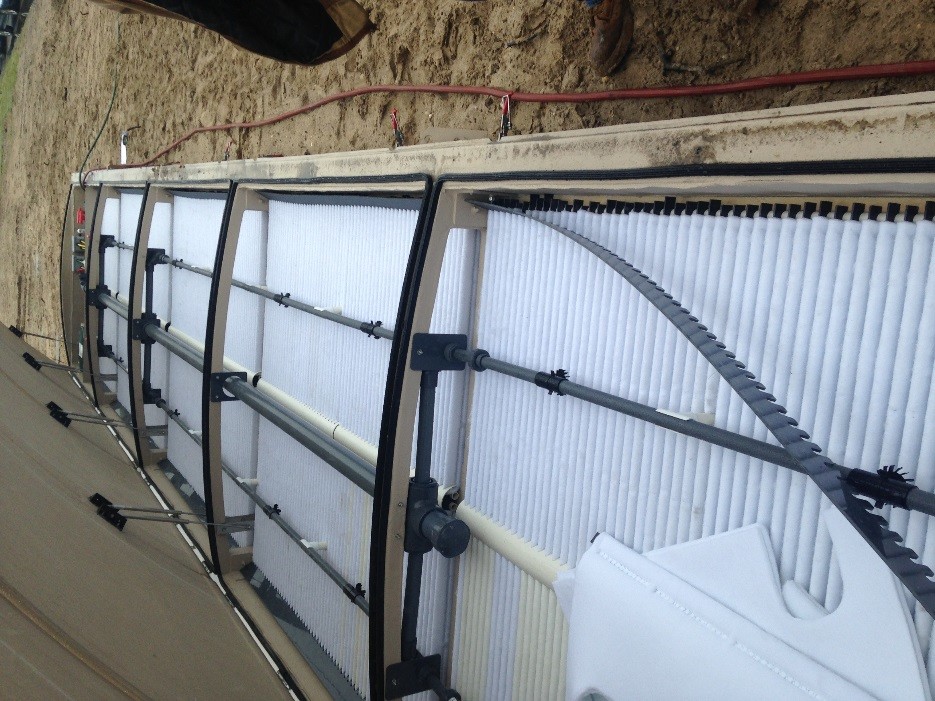
PWGC designed and managed construction of a fast paced groundwater remediation system to intercept a large solvent plume.
PWGC is conducting the remedial investigation for PFOA and PFOS in groundwater from historic firefighting foam use.
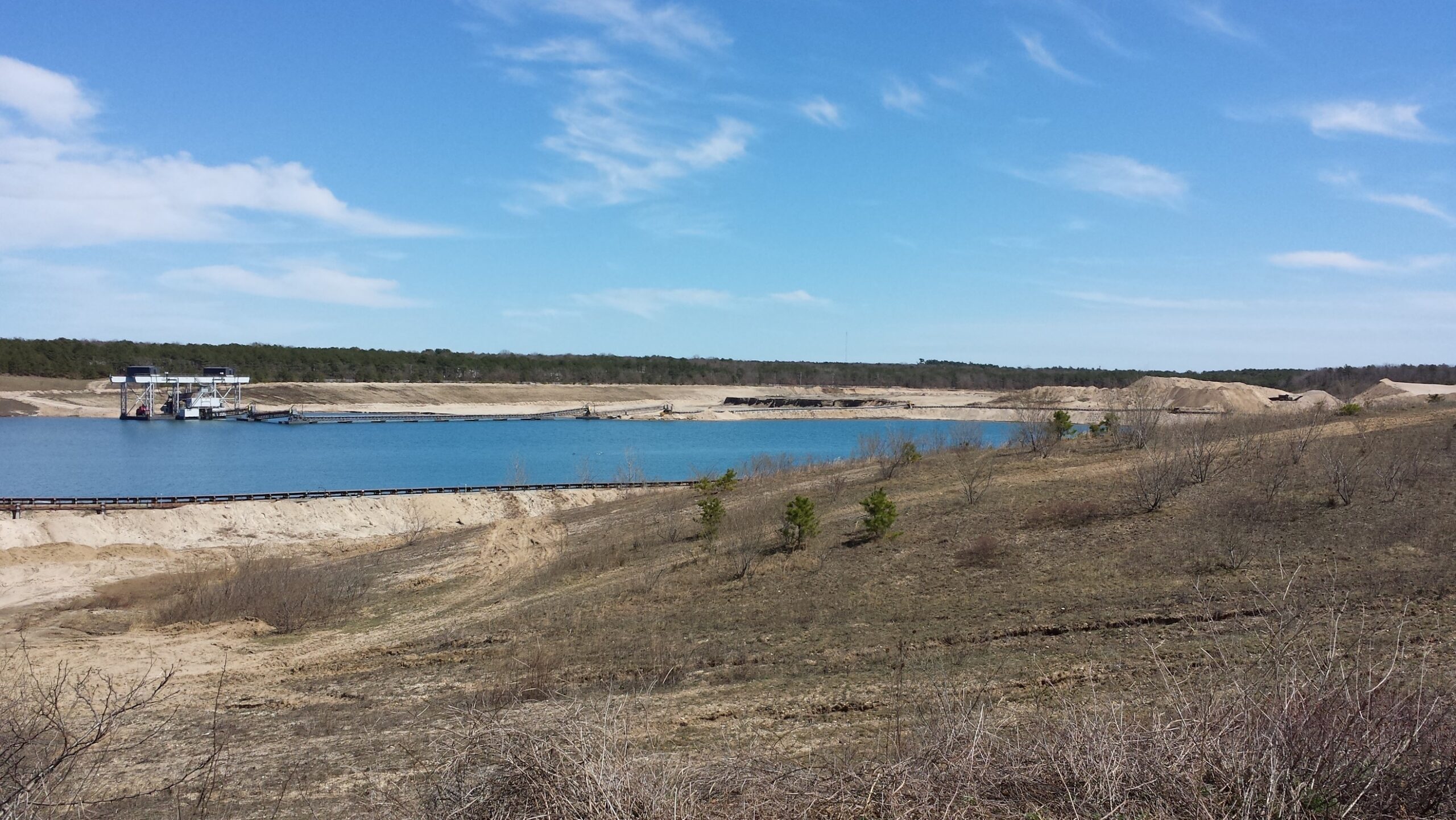
PWGC investigated underground injection control structures and a jet fuel plume on a 58 acre former Air Force base.
PWGC ran a geophysical survey to locate buried objects, then designed and implemented potassium permanganate injection.
Groundwater does not respect property lines and rarely sits where the first sample suggests. Three things shape how our hydrogeologists work.
Preliminary site characterization, historical records search and review, and identification of areas of concern establish where contamination is likely to be, so the sampling program targets it rather than hunting for it.
At Brookhaven National Laboratory a change in plume orientation led PWGC to add a seventh interception well to a six well design. At the Canine Kennel site our interim remedial measure addressed PCB impact on an adjacent property, not only the subject site.
Public outreach and community participation are part of our method, not an afterthought. At the Suffolk County Firematics Site PWGC prepared a Citizens Participation Plan alongside the records search report and remedial investigation work plan.
PWGC performs preliminary site characterization, historical records search and review, and identifies areas of concern.
We install monitoring wells, run geophysical surveys where buried structures are suspected, sample soil and groundwater to delineate the extent of impact.
Our hydrogeologists model groundwater flow and contaminant transport. Evaluate remedial alternatives on cost effectiveness and practicality. Then design the treatment system.
PWGC provides construction oversight, start up testing, operation and maintenance manuals and long term monitoring under institutional engineering controls.
Preliminary site characterization. Historical records search and review. Identification of areas of concern. Soil and groundwater sampling. Monitoring well installation. Geophysical surveys. Aquifer and pumping testing. Groundwater flow and contaminant transport modeling. Remedial investigations and feasibility studies. Interim remedial measures. Remedial action work plans and alternatives analysis. Extraction and recovery well design. Air stripping and packed tower aeration systems. Granular activated carbon treatment. In situ chemical oxidation including potassium permanganate injection. Soil vapor extraction. Treatment system mechanical, structural, electrical and controls design. Recharge basin design. Construction oversight and start up testing. Operation and maintenance manuals and support. Final engineering reports and site management plans. Institutional and engineering controls. Public outreach, community participation and Citizens Participation Plans.
Water Authority of Great Neck North, Well No. 6. PWGC fit an air stripping tower, clearwell, booster station and switchgear onto a 1,200 square foot site beside a waterfront home, inside an enclosure designed to read as a lighthouse.
PWGC sited and designed a new vertical turbine deep well with casing and a pre-cast building raised above the 100 year floodplain on helical piles.
PWGC recommended, designed and oversaw construction of a 1,400 gallon per minute well in the Community Drive Well Field.
The most expensive answer is not always the right one, and the right one depends on the aquifer, the regulator and the site. Three things shape how our engineers work.
At the Town of Babylon’s Overlook Beach, PWGC reviewed the degraded supply well, identified defects in the screen and casing that were permitting sand permeation and recommended rehabilitating the existing well rather than drilling a new one. It still met the Town’s water demand. That saved significant infrastructure cost and turned the project around quickly.
Volatile organic compound concentrations at Great Neck North’s Well No. 6 were below the level that would mandate treatment, but the Authority holds an internal policy that VOCs in drinking water must be removed to non-detectable levels. PWGC designed and built the treatment system to meet that policy, not the regulatory floor.
Well No. 6 had 1,200 square feet to work with, abutting a high end waterfront home, so the air stripper enclosure was designed to be removable for maintenance and to read architecturally as a maritime lighthouse. At Tobay Beach, existing wells sat in vaults on the ocean side of Ocean Parkway and flooded during storms, so PWGC raised the new well casing and building above the 100 year floodplain.
PWGC assesses the existing system, distribution, wells, pump stations, treatment, storage tanks and back up power. Then analyzes projects water demand against it.
We review driller’s logs, gamma logging and USGS monitoring well data. Assess aquifer formation and soil lithology to place a well where yield and water quality are best.
PWGC designs wells, treatment, pumping stations and distribution to NYSDOH, county health department, AWWA and Ten State Standards. Prepares the engineering reports and applications that secure approval.
We provide construction oversight and administration, shop drawing and submittal review, as-built drawings, disinfection, plant start up and operator training.
Analysis and projection of water demand. Capital and operational long range planning. Water rate and connection charge studies. Design of wells, water supply sources, treatment systems, pumping stations, transmission and distribution systems and storage tanks. Groundwater and surface water modeling. Analysis and prediction of water quality problems. VOC treatment including air stripping and granular activated carbon. PFAS point of entry treatment system design, installation oversight and scheduled sampling. Well rehabilitation and abandonment specifications. Water main rehabilitation and replacement. Fire hydrant and service design. Hydro-pneumatic tanks, reduced pressure zone assemblies and chlorination systems. Negotiation of water quality sampling plans. Corrosion control studies including Lead and Copper monitoring compliance. Water conservation planning. Construction phase services. Plant start up and operator training. Electronic utility management services and GIS mapping.
PWGC designed an innovative onsite treatment system to replace outdated sewage disposal for Suffolk County, unveiled Memorial Day Weekend 2016 and in use since.
PWGC designed a 30,000 gallon per day treatment plant and the site around it, including the pre-cast masonry structure that houses it.
PWGC is designing wastewater collection and treatment for the greater Sayville region, tying into Suffolk County Sewer District No. 3.
PWGC redirected treatment plant effluent away from the Peconic River to four new recharge basins, with tertiary filtration added.
On Long Island, where treated effluent goes matters as much as how it is treated. Three things shape how our engineers work.
Before Brookhaven National Laboratory could move its effluent off the Peconic River, PWGC had to place recharge beds that would not alter the flow regime carrying several contaminant plumes under CERCLA remediation and would not cut the river’s base flow. For Suffolk County we ran 3D ModFlow modeling at three recharge rates to predict effluent travel time from Stony Brook to the Long Island Sound.
At Amber Court, PWGC produced the treatment facility design, the pre-cast masonry structure housing it and the civil site design, coordinated the utilities with the building and expedited approvals. For Suffolk County we have replaced outdated sewage disposal at county parks with innovative alternative onsite systems. Developed the site plan for a single family I/A OWTS pilot through Health Services approval.
PWGC serves as Engineer of Record on plants we design, reviewing monthly treatment results and Health Department inspections. For the Village of Sag Harbor we made monthly plant visits, signed and submitted discharge monitoring reports and attended Village Board meetings.
PWGC performs field investigation of existing conditions, feasibility site evaluation and samples existing sewage disposal structures for abandonment in accordance with Health Services regulations.
We prepare the engineering report and design plans for county health department submission, address comments through approval and produce technical specifications and budget estimates.
PWGC prepares design and proposal documents, answers contractor questions, issues addenda, attends the bid opening, reviews shop drawings. Performs construction inspections, prepares as-built plans and engineering certifications.
As Engineer of Record we make plant visits, review and submit discharge monitoring reports. Support operations, maintenance, attend board meetings and regulatory inspections.
Wastewater treatment plant design. Innovative alternative onsite wastewater treatment systems. Sewage treatment plant upgrades, retrofits and modifications. Sewer feasibility studies and district formation support. Wastewater collection system design and sewer extensions. Groundwater recharge basin design. Tertiary filtration system evaluation and design. Flow monitoring stations and system controls. Hydrogeologic analysis and 3D groundwater flow and transport modeling. Demolition plan design and sequencing of existing discharge and monitoring equipment. Electrical design including arc flash and lightning protection analyses and standby power. Construction cost estimating and scheduling. County health department submission, approvals and permitting. NYSDEC letters of non-jurisdiction. Storm water pollution prevention compliance. Bid documents and bid phase services. Construction inspection, as-built plans and engineering certifications. Engineer of Record services, discharge monitoring reports, operations and maintenance support. GIS database development for sanitary sewer conveyance infrastructure. Public meetings and municipal board presentations.
Yes, on both sides of the problem. PWGC is conducting the remedial investigation for PFOA and PFOS at the Suffolk County Firematics Site, and has designed and installed PFAS treatment for a contaminated drinking water supply at the Wertheim National Wildlife Refuge.
At Firematics in Yaphank, retained by the Suffolk County Department of Health Services, our team prepared the work plans, records search report and Remedial Investigation Work Plan, along with a Citizens Participation Plan for the surrounding community. At Wertheim in Shirley, we designed and installed three point of entry treatment systems, prepared the engineering report and operations and maintenance manuals, oversaw installation and start up testing, and perform the scheduled sampling that confirms the systems still perform as designed.

Through plume delineation: a network of monitoring wells sampled over time, interpreted against the site geology and hydrogeology by our own hydrogeologists.
PWGC delineated an approximately 20,000 square foot jet fuel plume at the former Baumann Bus site in Westhampton and has modeled contaminant fate and transport at sites across Long Island. At Brookhaven National Laboratory, monitoring showed the plume changing orientation during design, and we added a seventh interception well to the six well system rather than build to a picture that was already out of date.
PWGC frequently stays on, as Engineer of Record on treatment plants and through long term monitoring on remediation sites.
At the Amber Court treatment plant we review monthly treatment results and Health Department inspections. For the Village of Sag Harbor we conducted monthly plant visits, reviewed operating procedures and daily monitoring reports, signed and submitted discharge monitoring reports, and met with plant operators on equipment and effluent quality. On remediation sites we prepare the operations and maintenance manuals and carry out long term monitoring under institutional and engineering controls.
This website utilizes cookies to optimize user experience, site performance analytics, and marketing. By clicking “Accept”, you are agreeing to our use of cookies. We do not sell or share collected data with third parties. Please see privacy statement for more details.