

By Regina Nash
In what can be described as a response to criminal charges brought against six people in connection with the illegal dumping of New York City demolition and construction debris laced with cobalt, dieldrin, and asbestos at Roberto Clemente Park in Brentwood during 2014, at least five towns in Suffolk County have received subpoenas as prosecutors dig deeper into allegations of illegal sand mining operations.
Brookhaven, Islip, Riverhead, Huntington, and Babylon have received subpoenas from the Suffolk County District Attorney’s Office seeking records on sand mining dating back more than ten years. These records include correspondence with the towns and the New York State Department of Environmental Conservation (NYSDEC), documents on sand mines, and information on fees the towns have collected from sand mining operations.
Mining activities are closely regulated by the NYSDEC. In New York, regulated mining operations have an approved mining plan that specifies how mining will take place, and an approved reclamation plan that provides details on how the impacted property will be restored for future use once mining operations are completed. Financial security submitted by the mining permit applicant ensures that the land will be reclaimed. However, some activities, such as agriculture, may be exempt from these regulations and to the public may appear that they are operating as an unpermitted and illegal mine.
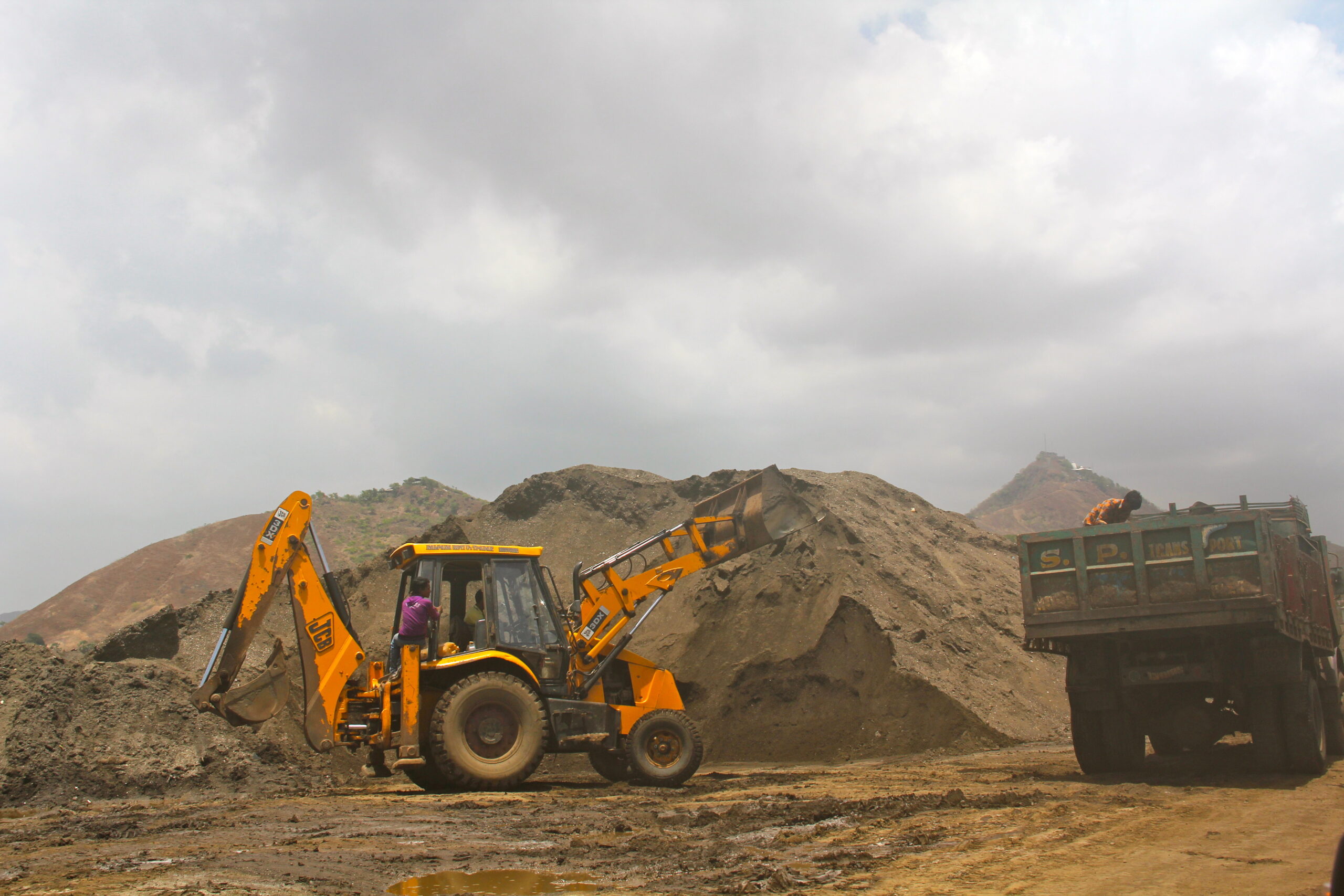
Many sand mine operations on Long Island are considered open pit mines. An open pit mine is an excavation or cut made at the surface of the ground for the purpose of extracting a mineral resource (i.e., sand and gravel on Long Island), and which is open to the surface for the duration of the mine’s life. Mining is a temporary activity, with the operating life of a mine lasting from a few years to several decades. Mine closure, including reclamation, occurs once the mineral resource at a working mine is exhausted, or operations are no longer profitable.
Surface mining reclamation restores vegetation and soil stability after mining with the intention of preventing future environmental degradation, and prepares the site for its future use. Some examples of future uses of a reclaimed mine site include the creation of a manmade lake for use as a recreational area or fish farm, creation of gardens and parks, and agriculture use. Segmental reclamation restores portions of the mine while other areas remain in operation. Many times, once a resource is mined to exhaustion, material from off site will be imported for the purpose of filling the area of excavation.
Imported material may not always be screened, tested, and handled according to federal, state and local regulations. This can be a concern as material that is not properly screened, tested, and handled may have toxic and hazardous contaminants in excess of health based standards. If material is contaminated and used as fill, contaminants may leach into the ground below the site and eventually pollute the underlying aquifers that supply Long Island with its drinking water.
P.W. Grosser Consulting (PWGC) can provide site operators/owners with the necessary services to ensure that their sites are operating within the permitted use, determine if site activities have impacted the environment, and identify innovative and cost-efficient solutions in the event that site activities have impacted the environment. PWGC has been providing planning and permitting services to a number of existing and proposed mining operations located on Long Island for over ten years. These services include the preparation of Mined Land Reclamation Permits and Plans, groundwater and soil monitoring, health and safety audits, noise and dust surveys, geological investigations, and compliance audits. In addition, PWGC is considered one of the premier environmental consulting companies on Long Island and has been providing services related to the environmental restoration of impacted sites to a diverse clientele for twenty five years.
Considering recent public interest regarding the impact that illegal dumping and illegal mining may have on the environment, PWGC encourages site operators/owners to be proactive in ensuring activities at their sites are permitted and environmentally sound to prevent future liabilities and protect the public at large.
